Jelly Bean Font: A Versatile Script for Digital Design
What Is Jelly Bean?
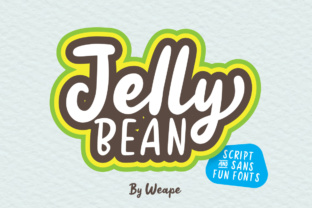
Jelly Bean is a hand lettered font that brings a playful and fresh energy to digital projects. It features a script sans version, making it adaptable for both decorative and functional use. The font’s personality lies in its casual yet elegant style, which balances whimsy with readability. Whether used as a headline or a subtle accent, Jelly Bean adds character without overwhelming the user experience.
Why Web Designers Love Jelly Bean
As a web designer, I’ve found Jelly Bean to be a valuable tool for creating engaging layouts. Its script style offers a unique visual rhythm that can guide the user’s eye through content, while the sans serif variant ensures clarity on digital screens. This dual nature makes it ideal for a wide range of design applications, from branding to user interface elements.
Using Jelly Bean in Web Layouts
Jelly Bean shines in areas where visual interest meets readability. For instance, it works exceptionally well in hero sections and call-to-action buttons, where a bold and approachable typeface can encourage user interaction. On landing pages, it can be paired with a clean sans serif body text to create a balanced hierarchy.
- Hero Sections: Use Jelly Bean for large headers to draw attention and set a brand tone.
- Call-to-Action Buttons: Its playful style can make CTAs feel more inviting and less clinical.
- Blog Headers: A great choice for creative blogs or lifestyle sites looking to stand out.
- Online Store Banners: Adds a touch of personality to product showcases without distracting from key messaging.
Readability and Visual Hierarchy
While Jelly Bean is visually appealing, it’s important to consider how it affects readability. In smaller sizes or on dark backgrounds, the script style can become harder to read. However, when used strategically—such as in larger headings or short phrases—it enhances scanning behavior and keeps users engaged.
For mobile responsiveness, ensure that Jelly Bean is paired with a legible body font. Avoid using it for long paragraphs or dense text blocks. Instead, reserve it for titles, subheadings, and decorative elements where its charm truly shines.
Font Pairing Strategies
Pairing Jelly Bean with complementary fonts can elevate your design further. For example, combining it with a simple sans serif like Montserrat or Lato creates a modern and professional look. Alternatively, pairing it with a serif font like Georgia can give your project an editorial feel, perfect for blogs or creative portfolios.
When designing for brand identity, consider how the font aligns with your overall aesthetic. Jelly Bean is particularly effective for brands that want to appear friendly, approachable, and slightly whimsical. It’s a great fit for boutique stores, coaching websites, and creative agencies looking to differentiate themselves in a crowded market.
Practical Applications Across Digital Projects
Jelly Bean is not limited to just one type of project. Here are some real-world examples of how it can be applied:
- Creative Portfolio Sites: Use it for headings and project titles to add a personal touch.
- Course Sales Pages: Its friendly appearance can help build trust with potential students.
- Social Media Graphics: Ideal for Instagram captions, Twitter posts, and Facebook banners.
- Digital Brand Kits: Incorporate it into logos, email templates, and brand assets for consistency.
Considerations for Commercial Use
If you're planning to use Jelly Bean commercially, make sure to check the licensing details. Most premium fonts, including Jelly Bean, offer commercial use rights for websites, online stores, and client projects. Always verify whether the font includes webfont support, alternate weights, and multilingual options if needed.
Additionally, ensure that the font performs well across different screen sizes and device types. Testing on mobile and tablet devices will help you fine-tune spacing, contrast, and overall legibility.
Final Thoughts on Jelly Bean
Jelly Bean is more than just a decorative font—it’s a versatile tool that can enhance both the aesthetics and functionality of digital projects. By understanding its strengths and limitations, you can leverage it effectively to create engaging, readable, and brand-aligned designs. Whether you’re building a website, crafting a digital ad, or developing a brand kit, Jelly Bean offers a fresh and approachable way to bring your vision to life.