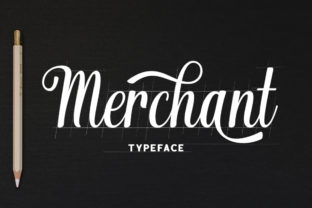
Merchant: A Script Font for Stronger Brand Communication
The Power of a Well-Designed Typeface in Marketing
In the fast-paced world of digital marketing, every visual element plays a role in capturing attention and driving engagement. From Instagram posts to YouTube thumbnails, the font you choose can make or break the effectiveness of your message. Merchant is a script typeface designed with both elegance and clarity in mind, making it an ideal choice for marketers and designers who want to create visually compelling content without sacrificing readability.
What Makes Merchant Stand Out?
Merchant is a smooth, legible script that blends classical sophistication with modern appeal. Its elegant curves and clean strokes give it a refined look that’s perfect for branding and marketing. Unlike some overly decorative scripts, Merchant maintains a strong sense of identity and purpose, making it versatile for a wide range of applications.
Its personality is both professional and approachable, which makes it suitable for both formal brand materials and more casual social media content. Whether you're designing a product launch graphic or a promotional banner, Merchant adds a touch of style that enhances the overall message without overwhelming the viewer.
Using Merchant Across Digital Platforms
Merchant shines in environments where first impressions matter most. It works exceptionally well in social media graphics, especially on platforms like Instagram and Pinterest, where visual impact is key. The font’s flowing lines and consistent weight make it ideal for headlines, captions, and callouts that need to stand out in a crowded feed.
On YouTube, Merchant can elevate thumbnail designs by adding a sense of motion and energy. When paired with bold colors and minimal text, it helps convey urgency or excitement, encouraging users to click and watch. For email headers and website banners, its legibility ensures that even at smaller sizes, the message remains clear and impactful.
Merchant also performs well in digital ads and landing pages, where readability and visual hierarchy are critical. Its script style adds a touch of personality while maintaining professionalism, making it a great fit for both B2B and B2C campaigns.
Enhancing Brand Recognition and Visual Consistency
Consistency is a cornerstone of effective branding, and choosing the right font is essential to maintaining that consistency across all touchpoints. Merchant offers a timeless aesthetic that aligns well with brand identities focused on elegance, creativity, and quality.
By using Merchant in logo design, packaging, and web design, brands can create a cohesive visual language that resonates with their audience. This consistency not only strengthens brand recognition but also builds trust and familiarity over time.
For small business marketing teams, having a single font that works across multiple platforms simplifies the creative process and ensures that messaging remains unified. Whether it's a seasonal promotion or a new product launch, Merchant provides a reliable foundation for creating high-quality, professional-looking content.
Practical Font Pairing and Readability Tips
To maximize the impact of Merchant, consider pairing it with complementary fonts that enhance readability and visual balance. A clean sans serif font like Montserrat or Lato can provide contrast and clarity when used for captions or body text.
For editorial-style content, combining Merchant with a serif font such as Georgia or Cinzel can add depth and sophistication. These pairings work well in blog posts, newsletter headers, and branded templates, offering both style and functionality.
When using Merchant on mobile screens or in small previews, ensure that the font size and spacing are optimized for readability. Avoid overusing it in dense text blocks, as its script style can sometimes reduce legibility in tight spaces.
Merchant in Real Campaigns
Merchant has proven itself in real-world marketing scenarios. For example, a fashion brand might use it in a product teaser graphic to evoke a sense of luxury and exclusivity. A webinar banner could feature Merchant to highlight the event title, drawing attention with its elegant flow.
It’s also excellent for inspirational quote graphics, where its fluidity and grace help convey emotion and motivation. In online shop promotions, Merchant can be used to emphasize special offers or limited-time deals, creating a sense of urgency.
For content series branding, Merchant can serve as a signature font, reinforcing the series’ identity and making it instantly recognizable to followers. Whether it's a monthly newsletter or a recurring social media campaign, the font helps maintain continuity and cohesion.
Choosing the Right Use Cases for Merchant
Merchant is best suited for short text, headlines, callouts, titles, and decorative accents. It may not be the best choice for long paragraphs or technical documentation, where readability and clarity are paramount.
As a display font, it excels in attracting attention and setting the tone for a piece of content. However, for more functional elements like form labels or navigation menus, a simpler sans serif font is often more appropriate.
When designing logos or mark-based elements, Merchant’s elegant curves and consistent stroke weight make it a strong candidate for creating a memorable brand mark that stands out in both print and digital formats.
Commercial Licensing and Best Practices
Before using Merchant in client campaigns, ads, merchandise, or digital products, always review the commercial licensing terms. Ensuring proper usage rights is crucial for avoiding legal issues and maintaining brand integrity.
For designers and marketers, understanding the licensing options allows for greater flexibility in how the font is applied across different projects. It also helps in selecting the right font for specific use cases, whether it’s for a one-time ad or an ongoing brand campaign.
Ultimately, Merchant is more than just a font—it’s a powerful tool for shaping brand identity, enhancing communication, and creating visually engaging content. By leveraging its strengths in readability, style, and versatility, marketers and designers can elevate their visual storytelling and connect more effectively with their audience.